
Diminished Value Claim Steps: A Clear Guide to Getting What You Deserve

When your vehicle suffers damage in an accident, the repairs might restore it to working condition, but the value often takes a hit. This loss in market value after repairs is called diminished value. Many vehicle owners don’t realize they can claim compensation for this loss. If you’re wondering how to navigate this process, you’re in the right place. I’ll walk you through the diminished value claim steps with clear, practical advice so you can confidently pursue what you deserve.
Understanding Diminished Value and Why It Matters
Diminished value is the difference between your vehicle’s market value before the accident and its value after repairs. Even if your car looks perfect post-repair, buyers and insurers know it has a history, which lowers its resale price. This loss can be significant, especially for newer or high-value vehicles.
Think about it: if you had to sell your car tomorrow, would you get the same price as before the accident? Probably not. That’s why filing a diminished value claim is important. It helps you recover the financial loss that standard insurance settlements often overlook.
Types of Diminished Value
Immediate Diminished Value: The loss in value right after the accident, before repairs.
Inherent Diminished Value: The permanent loss in value after repairs, due to the accident history.
Repair-Related Diminished Value: Loss caused by subpar repairs or visible damage.
Most claims focus on inherent diminished value because it reflects the long-term impact on your vehicle’s worth.

Diminished Value Claim Steps: What You Need to Do
Filing a diminished value claim might seem complicated, but breaking it down into clear steps makes it manageable. Here’s how to approach it:
1. Assess Your Vehicle’s Pre-Accident Value
Start by determining your car’s market value before the accident. Use trusted sources like Kelley Blue Book, NADA Guides, or MarketVIN reports. This baseline is crucial because your claim depends on proving the difference between this value and the post-repair value.
2. Get Your Vehicle Professionally Inspected
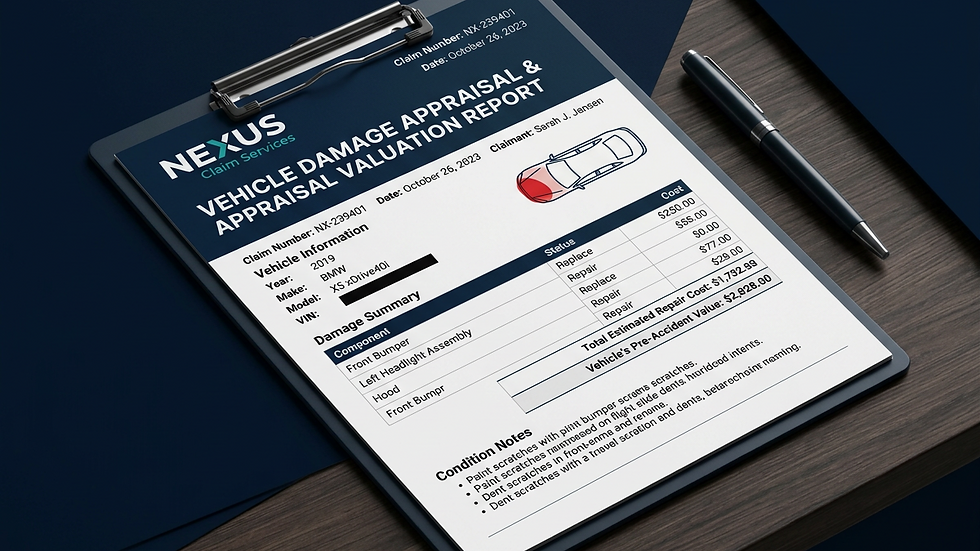
A professional appraisal or inspection is essential. An expert can evaluate the quality of repairs and estimate the diminished value. This report will be your strongest evidence when negotiating with the insurance company.
3. Gather All Repair and Accident Documentation
Collect repair invoices, photos of the damage, and the police report if applicable. These documents support your claim by showing the extent of the damage and the repairs made.
4. File Your Claim with the Insurance Company
Contact the at-fault party’s insurer or your own, depending on your policy and state laws. Submit your diminished value claim along with the appraisal and documentation. Be clear and concise in your communication.
5. Negotiate or Appeal if Necessary
Insurance companies may initially offer a low settlement or deny your claim. Don’t accept the first offer without question. Use your appraisal and documentation to negotiate a fair amount. If needed, consider mediation or legal advice.
For detailed guidance on how to file a diminished value claim, check out specialized resources that walk you through the process step-by-step.

Is a Diminished Value Claim Worth It?
You might be asking, “Is it really worth the effort to file a diminished value claim?” The answer depends on several factors:
Vehicle Age and Condition: Newer and well-maintained vehicles usually have higher diminished value.
Extent of Damage: More severe damage typically results in a larger loss of value.
Insurance Policy and State Laws: Some states limit or exclude diminished value claims, so check your local regulations.
Settlement Offers: If the insurance company’s offer is significantly lower than your appraisal, pursuing a claim can be financially beneficial.
In many cases, filing a diminished value claim can recover thousands of dollars that would otherwise be lost. It’s especially worthwhile if you plan to sell or trade your vehicle in the near future.
Common Challenges and How to Overcome Them
Filing a diminished value claim isn’t always straightforward. Here are some common hurdles and tips to handle them:
Insurance Company Pushback
Insurers may argue that repairs restored your vehicle to pre-accident condition or that diminished value doesn’t apply. Counter this by providing a professional appraisal and market data showing the loss.
Lack of Awareness
Some claim adjusters are unfamiliar with diminished value claims. Be prepared to educate them politely and provide clear documentation.
Time Limits
Many states have deadlines for filing diminished value claims. Don’t delay—start the process as soon as possible after repairs.
Disputes Over Appraisal
If the insurer disputes your appraisal, consider getting a second opinion or using an independent appraiser.
Tips for a Successful Diminished Value Claim
Document Everything: Keep detailed records of repairs, communications, and appraisals.
Be Persistent: Don’t accept lowball offers without negotiation.
Know Your Rights: Research your state’s laws on diminished value claims.
Use Professional Help: Consider consulting with valuation experts or legal advisors if needed.
Stay Organized: Keep all paperwork and correspondence in one place for easy reference.
By following these tips, you increase your chances of a fair settlement.
Taking Control of Your Vehicle’s Value
Filing a diminished value claim is about protecting your investment. After an accident, you shouldn’t have to absorb the hidden loss in your vehicle’s worth. By understanding the process and taking the right steps, you can ensure you’re compensated fairly.
Remember, the key is preparation and persistence. Start by assessing your vehicle’s value, get a professional appraisal, and don’t hesitate to stand your ground with the insurance company. Your vehicle’s value matters, and so does your right to recover what you’ve lost.
If you want to learn more about how to file a diminished value claim, take advantage of expert resources that can guide you through every step.
By following these diminished value claim steps, you’re not just filing a claim—you’re taking control of your vehicle’s financial future. Don’t let the hidden loss go unnoticed. Act now and get the compensation you deserve.


Comments