
How to Dispute Insurance Cash Value and Win Your Claim

When your vehicle is declared a total loss, the insurance company offers you a settlement based on the actual cash value (ACV) of your car. But what if that number feels too low? How do you dispute insurance cash value effectively and get a fair payout? I’ve been through this process many times, and I’m here to share clear, practical steps to help you challenge your insurer’s offer with confidence.
Understanding how insurance companies calculate ACV and knowing your rights can make a huge difference. Let’s dive into the details and get you the settlement you deserve.
What Does Dispute Insurance Cash Value Mean?
Disputing insurance cash value means challenging the amount your insurer offers for your totaled vehicle. The insurer’s ACV is supposed to reflect the car’s market value right before the accident, minus depreciation. But often, their valuation methods are flawed or outdated.
Here’s why you might want to dispute:
The insurer’s offer is below your car’s true market value.
They use generic valuation tools that don’t consider your vehicle’s condition or upgrades.
You have evidence of higher comparable sales in your area.
You want to pursue a diminished value claim or appraisal clause.
Disputing insurance cash value is not just about arguing numbers. It’s about presenting solid evidence and understanding the valuation process. This empowers you to negotiate or escalate your claim effectively.
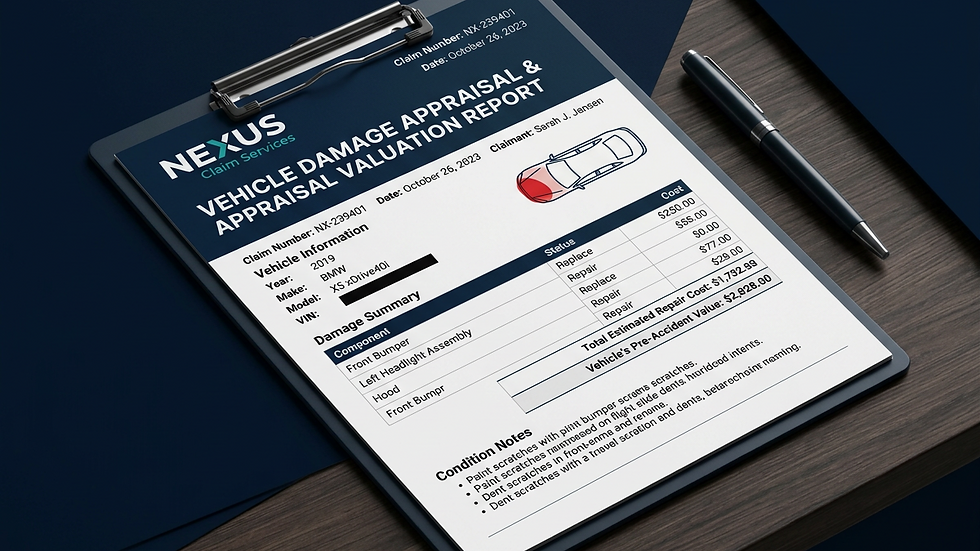
How to Dispute Insurance Cash Value Step-by-Step
Here’s a straightforward plan to dispute your insurance cash value offer:
1. Review Your Insurance Policy and Settlement Offer
Start by reading your policy carefully. Look for:
How ACV is defined.
Any clauses about appraisal or dispute resolution.
The timeline for accepting or disputing the offer.
Then, examine the insurer’s settlement letter. Check how they calculated the ACV and what data they used.
2. Gather Evidence of Your Vehicle’s True Value
You need proof that your car is worth more than the insurer’s offer. Collect:
Recent sales listings of similar vehicles in your area.
Receipts for upgrades or repairs that add value.
Independent appraisals or valuations from trusted sources.
Photos showing your car’s condition before the accident.
3. Get a Professional Vehicle Valuation
A professional valuation report from a reputable service can carry a lot of weight. These reports analyze market data, vehicle condition, mileage, and local sales trends to provide an accurate value.
4. Write a Formal Dispute Letter
Address your letter to the claims adjuster or insurance company. Include:
Your policy and claim number.
A clear statement that you dispute the ACV offer.
Your evidence and valuation report.
A request for a reassessment or higher settlement.
Be polite but firm. Keep your tone professional and focused on facts.
5. Follow Up and Negotiate
After submitting your dispute, stay in contact. Ask for updates and be ready to negotiate. If the insurer refuses to budge, you may need to escalate the dispute through appraisal or legal channels.

Can I Negotiate Actual Cash Value?
Absolutely. Negotiation is often the best way to improve your settlement. Insurance companies expect some pushback and may increase their offer if you present strong evidence.
Here’s how to negotiate effectively:
Be prepared: Know your vehicle’s worth and have documentation ready.
Stay calm and professional: Avoid emotional arguments.
Use market data: Show comparable sales and professional valuations.
Highlight unique features: If your car has rare options or upgrades, mention them.
Ask for a detailed explanation: Request how they arrived at their number.
Consider a counteroffer: Propose a fair value based on your research.
Negotiation can take time, but persistence pays off. If you reach an impasse, check if your policy includes an appraisal clause, which allows an independent third party to determine the value.
Why Do Insurance Companies Lowball Actual Cash Value?
Understanding why insurers often offer less than expected helps you build a stronger case. Here are common reasons:
Depreciation assumptions: Insurers apply standard depreciation rates that may not reflect your car’s actual condition.
Generic valuation tools: Many use automated systems that don’t consider local market trends or vehicle specifics.
Cost control: Lower settlements save the company money.
Lack of evidence: If you don’t challenge the offer, they assume acceptance.
Knowing this, you can counteract their tactics by providing detailed, localized, and up-to-date evidence.
When to Seek Professional Help
Sometimes, disputing actual cash value on your own can be overwhelming. If you’re dealing with a complex claim or a stubborn insurer, consider:
Hiring an independent appraiser.
Consulting an attorney experienced in insurance claims.
Using services like Nexus Claim Services for accurate vehicle valuations and claim support.
These experts understand the nuances of insurance valuation disputes and can help you navigate the process smoothly.
If you want to learn more about how to handle an actual cash value dispute, professional guidance can make all the difference.
Taking Control of Your Insurance Claim
Disputing insurance cash value is not just about money. It’s about standing up for your rights and ensuring you get a fair settlement. By understanding the process, gathering strong evidence, and negotiating confidently, you can turn a lowball offer into a payout that truly reflects your vehicle’s worth.
Remember, the insurer’s first offer is rarely their best offer. Don’t settle for less than you deserve. Take action, stay informed, and get the compensation you’re entitled to.
Disputing your insurance cash value might seem daunting, but with the right approach, you can succeed. Use these strategies to challenge your insurer and protect your investment. Your vehicle’s value matters - make sure it’s recognized.



Comments