
Total Loss Reviews Explained: Understanding Free Total Loss Reviews
When your vehicle is declared a total loss after an accident, it can feel overwhelming. You might wonder if the insurance company’s settlement offer is fair or if you’re leaving money on the table. That’s where total loss reviews come in. They help you understand how your vehicle’s value was calculated and whether you should accept the offer or challenge it.
In this post, I’ll walk you through everything you need to know about total loss reviews, including how they work, what to expect, and how to protect your interests. By the end, you’ll feel confident navigating the process and making informed decisions.
What Are Total Loss Reviews? Total Loss Reviews Explained
A total loss review is a detailed examination of the insurance company’s valuation of your vehicle after it’s been declared a total loss. When an insurer totals a car, they calculate its actual cash value (ACV) before the accident and offer a settlement based on that figure. But how do they arrive at that number? And is it always accurate?
Total loss reviews dig into the details of the valuation process. They look at:
The data sources used to determine your vehicle’s value
Comparable vehicle sales in your area
Adjustments for mileage, condition, and options
Any errors or outdated information in the insurer’s report
Understanding these factors is crucial because insurance companies often use automated valuation tools that may not reflect the true market value of your vehicle. A thorough review can uncover discrepancies and help you negotiate a better settlement.
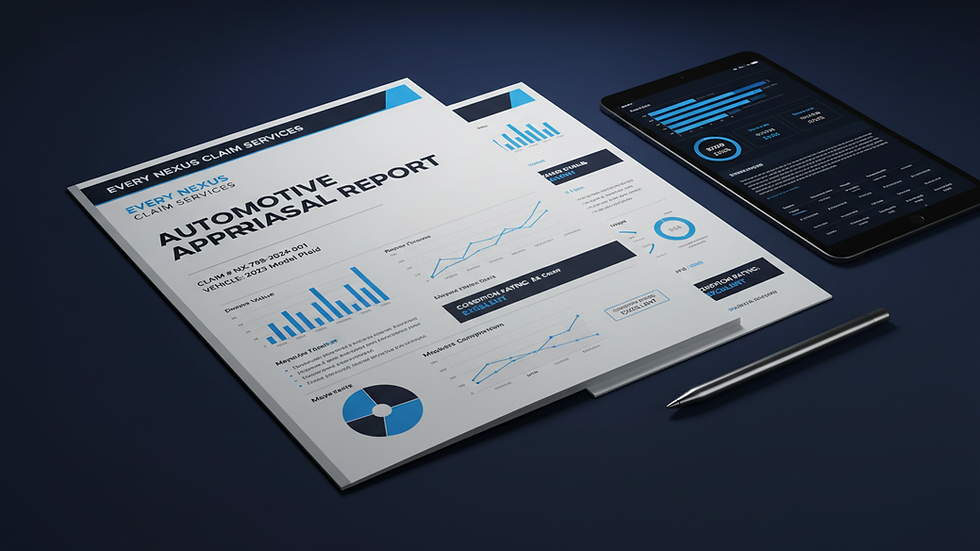
How Does a Total Loss Review Work?
When you request a total loss review, an expert will analyze the insurer’s valuation report and compare it with independent data. Here’s a step-by-step breakdown of the process:
Gather Documentation
You’ll need to provide the insurance settlement offer, your vehicle’s details (make, model, year, mileage), and any maintenance or repair records.
Market Research
The reviewer will search for comparable vehicles sold recently in your region. This includes looking at listings, auction results, and dealer sales.
Adjustments for Condition and Options
Vehicles with extra features or in better condition than average can command higher prices. The review will factor these in.
Identify Errors or Omissions
Sometimes, insurers use outdated data or miss key details. The review will highlight these issues.
Discussion of Findings
We will discuss our findings with you and advise you on what to do next.
Negotiate with the Insurer
Armed with this report, you can challenge the insurer’s offer and push for a higher settlement.
If you want to explore this option, you can start with a free total loss review to see if your offer is fair.
Should I Accept a Total Loss Offer?
This is the big question many vehicle owners face. The answer depends on several factors:
Is the offer close to your vehicle’s true market value?
If the insurer’s offer matches or exceeds what similar vehicles are selling for, it might be reasonable to accept.
Are there errors in the valuation?
If the offer is based on incorrect mileage, missing options, or outdated data, you should consider disputing it.
What are your financial needs?
Sometimes, accepting a quick settlement is necessary, but if you can afford to wait and negotiate, you might get more.
Do you have evidence to support a higher value?
A professional total loss review can provide the documentation you need to back up your claim.
Remember, insurance companies aim to minimize payouts. They may not offer the full value your vehicle deserves. Don’t hesitate to question their numbers. A well-prepared challenge can result in a significantly better settlement.
Common Mistakes to Avoid During Total Loss Claims
Navigating a total loss claim can be tricky. Here are some pitfalls to watch out for:
Accepting the first offer without review
Insurance companies often start with a lowball offer. Always review it carefully.
Not documenting your vehicle’s condition
Photos, maintenance records, and receipts can prove your vehicle was well cared for.
Ignoring comparable sales in your area
Vehicle values vary by location. Make sure your settlement reflects local market conditions.
Failing to understand your policy terms
Know what your insurance covers and how your deductible affects the payout.
Not seeking professional help when needed
A total loss review expert can make a big difference in your claim outcome.
Avoiding these mistakes can save you time, stress, and money.

How to Prepare for a Total Loss Review
Preparation is key to a successful total loss review. Here’s what you should do:
Collect all relevant documents
This includes your insurance policy, claim paperwork, repair estimates, and vehicle history reports.
Take detailed photos of your vehicle
Show the overall condition, any upgrades, and the damage sustained.
Research local vehicle sales
Look for cars like yours sold recently in your area to understand market trends.
Be honest about your vehicle’s condition
Transparency helps build credibility during negotiations.
Consult with a valuation expert
They can guide you through the process and provide an unbiased opinion.
By following these steps, you’ll be ready to challenge any unfair settlement offer confidently.
What Happens After a Total Loss Review?
Once you have your total loss review report, you have several options:
Negotiate with your insurer
Present the report and ask for a revised offer based on the findings.
Request an appraisal or independent evaluation
Some policies allow for a third-party appraisal if you disagree with the insurer.
Consider legal advice
If negotiations stall, an attorney specializing in insurance claims can help.
Decide whether to accept or reject the offer
Use the information from the review to make an informed choice.
Remember, the goal is to get a fair settlement that reflects your vehicle’s true value. Don’t rush the process—take the time to ensure you’re treated fairly.
Taking Control of Your Total Loss Claim
Dealing with a total loss claim can feel like a battle, but you don’t have to face it alone. Understanding the valuation process and knowing your rights puts you in control. A free total loss review is a great first step to uncovering the true value of your vehicle and strengthening your position.
By staying informed, gathering evidence, and seeking expert help when needed, you can maximize your settlement and move forward with confidence. Your vehicle was more than just metal and wheels—it was an investment. Make sure you get what it’s worth.



Comments