
Resolving Actual Cash Value Disputes: Your Guide to Cash Value Claim Assistance

When you face an insurance claim, especially involving a vehicle, understanding how your settlement is calculated can be confusing. One of the most common points of contention is the actual cash value (ACV) offered by insurers. If you feel your settlement offer is too low, you’re not alone. Many vehicle owners and professionals find themselves in disputes over the value assigned to a damaged or totaled vehicle. That’s where effective cash value claim assistance becomes essential.
In this post, I’ll walk you through the key steps to resolve these disputes confidently. You’ll learn what ACV means, why disagreements happen, and how to advocate for a fair settlement. Let’s dive in.
What Is Cash Value Claim Assistance and Why Do You Need It?
When your vehicle is damaged or declared a total loss, your insurance company calculates the payout based on the actual cash value of your vehicle. This value is supposed to reflect the vehicle’s worth right before the loss, factoring in depreciation. But here’s the catch: insurance companies often use formulas or databases that don’t fully capture your vehicle’s true market value.
This is where cash value claim assistance comes in. It’s about getting expert help to:
Understand how your insurer calculated your payout
Identify errors or undervaluations in their assessment
Gather evidence to support a higher valuation
For example, if your insurer offers $8,000 for a vehicle you believe is worth $10,000, cash value claim assistance can help you gather comparable sales data, repair estimates, and professional appraisals to challenge that offer.

How to Approach an Actual Cash Value Dispute
Disputes over actual cash value can feel overwhelming, but breaking the process down into clear steps makes it manageable. Here’s how I recommend approaching it:
1. Review Your Insurance Policy and Settlement Offer
Start by carefully reading your insurance policy. Understand the terms related to actual cash value and replacement cost. Then, review the insurer’s settlement offer and the documentation they provide. Look for:
The method used to calculate ACV
Any depreciation factors applied
Comparable vehicle sales or valuation guides cited
2. Request a Detailed Explanation
Ask your insurance adjuster for a detailed explanation of how they arrived at their offer. This can reveal gaps or errors in their calculations.
3. Submit a Formal Dispute
If you believe the offer is unfair, submit a formal dispute letter. Be clear, concise, and back your claims with evidence. Outline why you think the ACV is too low and what you believe the correct value should be.
4. Consider Mediation or Appraisal Clauses
Many insurance policies include appraisal clauses that allow for a neutral third party to determine the vehicle’s value. If negotiations stall, this can be a useful next step.
By following these steps, you can turn a frustrating situation into a structured process that increases your chances of a fair outcome.

Is it better to have ACV or RCV?
You might wonder whether it’s better to have actual cash value (ACV) coverage or replacement cost value (RCV) coverage. The difference is significant:
ACV pays you the vehicle’s value minus depreciation. This means you get less money as your vehicle ages.
RCV pays the full cost to replace your vehicle with a new one of similar kind and quality, without deducting depreciation.
So, which is better? It depends on your situation:
If you want to minimize premiums, ACV coverage is usually cheaper but can leave you with less money after a loss.
If you want peace of mind and a payout that covers replacement costs, RCV is preferable but more expensive.
For many vehicle owners, understanding this difference helps set realistic expectations about claim outcomes and whether to pursue disputes over ACV offers.
Practical Tips to Strengthen Your Dispute Case
When you’re in the middle of an actual cash value dispute, every detail counts. Here are some practical tips to help you build a strong case:
Document everything: Keep copies of all correspondence, photos of your vehicle before and after damage, and any repair estimates.
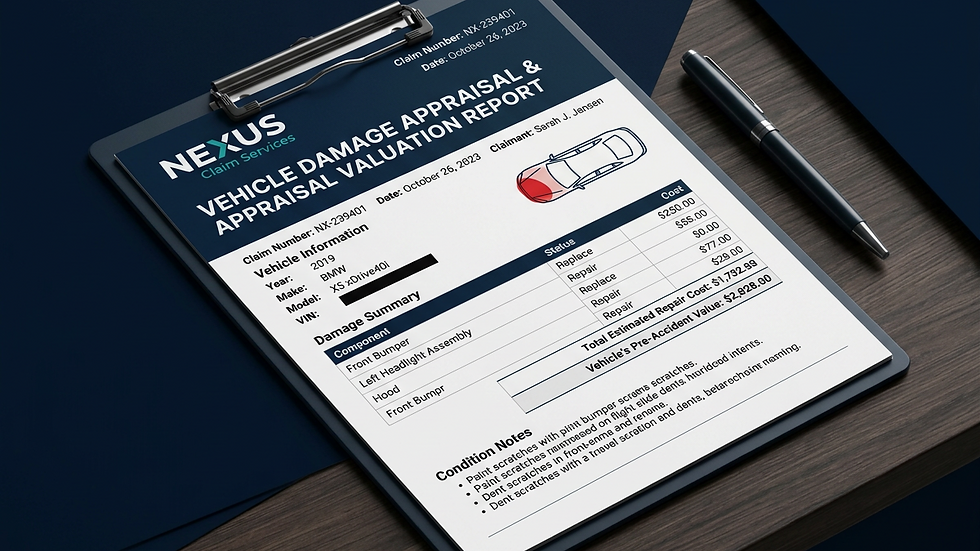
Use a reputable valuation expert: Nexus Claim Services LLC provides detailed reports that insurers respect.
Get offer reviewed by an expert: Nexus Claim Services LLC reviews your insurance offer. No Cost No Obligation, to insure you are getting offered a fair amount.
Stay calm and professional: Insurance disputes can be frustrating, but staying polite and factual helps maintain productive communication.
Know your rights: Familiarize yourself with your state’s insurance laws and regulations regarding claim disputes.
By applying these tips, you’ll be better equipped to challenge low offers and negotiate a fair settlement.
When to Seek Professional Help
Sometimes, disputes over actual cash value become complex or prolonged. If you find yourself stuck, consider seeking professional help. Experts like Nexus Claims are vehicle valuation specialists:
Provide detailed market analysis and valuation reports
Represent your interests in negotiations or mediation
Help you understand the fine print of your policy and state laws
Remember, you don’t have to accept the first offer. With the right support, you can improve your chances of a fair resolution.
Resolving an actual cash value dispute is about knowing your rights, gathering solid evidence, and advocating confidently. Whether you’re a vehicle owner, an attorney, or an auto body shop professional, understanding these steps can make a big difference in your claim outcome. Don’t settle for less than what your vehicle is truly worth.
If you want to learn more about how to protect your interests and get the most accurate vehicle valuations, contact Nexus Claims at nexus-claims.com Your vehicle’s value matters - make sure it’s recognized.


Comments